Location
Delhi, India
Work Hours
Monday to Friday: 10AM - 6PM
Location
Delhi, India
Work Hours
Monday to Friday: 10AM - 6PM



 ByHari S
ustomer relationships are at the heart of every successful business. Whether you are managing leads, tracking sales, or supporting existing customers, staying organized becomes increasingly difficult as your business grows. This is where CRM (Customer Relationship Management) software plays a critical role. It acts as a central system that helps businesses manage interactions, streamline processes, and build stronger customer relationships.
CRM software is not just a database of contacts. It is a powerful tool that brings together sales, marketing, and customer support into a single platform. Instead of scattered spreadsheets, emails, and notes, everything is stored and managed in one place. This allows teams to access real-time information, collaborate effectively, and make better decisions.
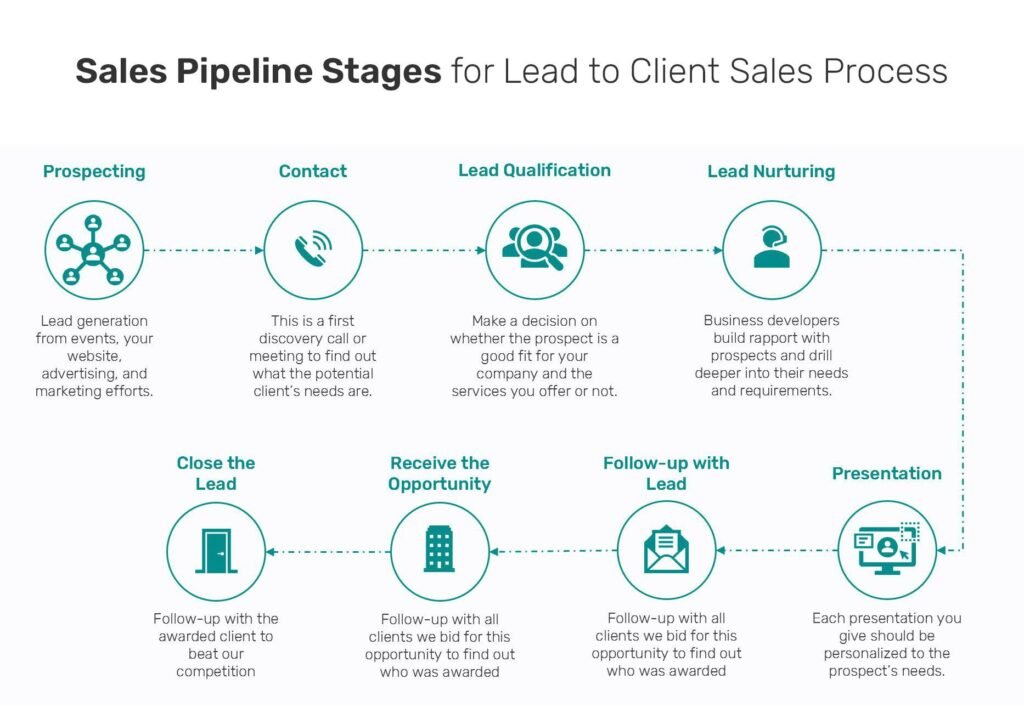
One of the biggest advantages of CRM software is improved lead management. Businesses can capture leads from multiple sources such as websites, social media, and campaigns, and track them throughout the sales pipeline. Each lead can be monitored from the initial contact to conversion, ensuring that no opportunity is missed. Sales teams can prioritize high-value prospects and follow up at the right time, increasing the chances of closing deals.
CRM systems also enhance customer communication. By storing detailed interaction history, businesses can understand customer preferences, past issues, and buying behavior. This enables personalized communication, which is essential for building trust and long-term relationships. Instead of generic messages, businesses can deliver targeted and relevant interactions.
Another key benefit is sales pipeline visibility. CRM software provides a clear view of where each deal stands, helping teams track progress and identify bottlenecks. Managers can forecast revenue, measure team performance, and make data-driven decisions. This level of transparency is crucial for scaling operations effectively.
Automation is another powerful feature of CRM systems. Routine tasks such as sending follow-up emails, assigning leads, updating records, and scheduling reminders can be automated. This reduces manual work and ensures consistency in processes. Teams can focus more on strategic activities rather than repetitive tasks.
CRM software also improves customer support. Support teams can manage tickets, track issues, and respond quickly using centralized data. When customer information is easily accessible, resolving problems becomes faster and more efficient, leading to better customer satisfaction.
For marketing teams, CRM provides valuable insights into customer behavior and campaign performance. Businesses can segment their audience, run targeted campaigns, and measure results effectively. This leads to better ROI and more efficient marketing efforts.
When implementing a CRM system, it is important to choose the right solution based on business needs. Small businesses may require simple and easy-to-use systems, while larger organizations might need advanced features such as integrations, automation, and analytics. The key is to start with essential features and scale as the business grows.
Integration is another important factor. A good CRM should connect seamlessly with other tools such as email platforms, websites, accounting systems, and mobile apps. This ensures smooth data flow and eliminates the need for manual data entry.
However, businesses should avoid common mistakes such as overcomplicating the system, not training the team properly, or failing to define clear processes. A CRM system is only effective when it is actively used and aligned with business goals.
From a cost perspective, CRM software is available in various pricing models, including subscription-based cloud solutions. This makes it accessible for businesses of all sizes. Investing in the right CRM can significantly improve efficiency, customer satisfaction, and revenue growth.
Ultimately, CRM software is more than just a tool—it is a strategy for managing relationships and driving business success. By centralizing data, automating processes, and enabling better communication, CRM systems empower businesses to deliver consistent and personalized experiences. For any business looking to grow and stay competitive, adopting a CRM is no longer optional—it is essential.